Buying New Construction in DC: What to Know Before You Sign in 2026

What should you know before buying new construction in Washington, DC?
Buying new construction in DC, Bethesda, Chevy Chase, McLean, or Arlington isn't one decision — it's two very different ones. You're either buying a teardown build (a custom or semi-custom home replacing a knockdown on an established lot) or you're buying into a planned community. The rules, the timing, and the leverage are different in each lane, and the buyers who save the most money — and skip the most headaches — are the ones who walk in knowing which lane they're in before they sign anything.
By Sherine Monir | April 27, 2026
If you're shopping new construction in the DMV right now, you've probably noticed inventory is finally starting to move. Builders are sitting on more standing inventory than they were 18 months ago, and that changes the math on what you can ask for and how hard you can negotiate. But the size of that opening depends entirely on which type of new build you're looking at.
Here's the framework I walk every buyer through before we tour a single new construction home.
Teardowns vs. Planned Communities — Two Different Games
The first thing to understand is that "new construction" in the DC metro is shorthand for two completely different products.
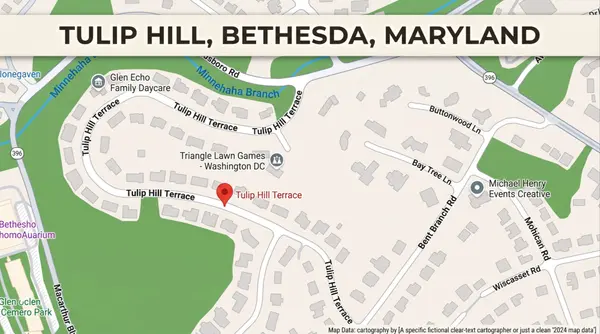
Teardown builds are what you'll see all over Chevy Chase MD, Chevy Chase DC, Bethesda, AU Park, and pockets of Wesley Heights and Cleveland Park. A builder buys an older home on a desirable lot, knocks it down, and puts up something modern. These are usually one-off projects from small to mid-sized local builders. The number of homes is small. The prices are not.
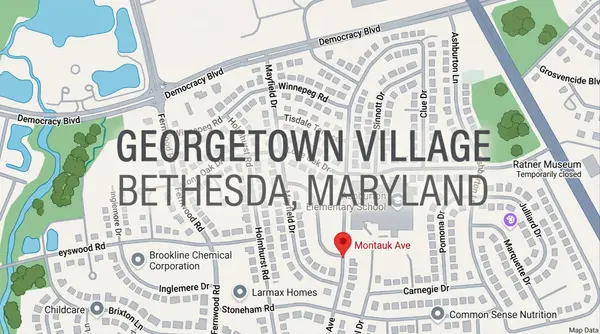
Planned communities are the larger developments — think the new townhome and condo communities in Bethesda, McLean, and Arlington. A national or regional builder buys land, draws up 20 to 200 units, picks a handful of floor plans, and rolls them out in phases. The product is more standardized. The process is more standardized. So is the contract you'll be asked to sign.
Both have advantages. They are not the same purchase.
Teardown Builds: Your Leverage Is in the Finishes
If you're buying a teardown build pre-construction or mid-construction, your single biggest opportunity is finish selection. The builder hasn't ordered the cabinets yet. The tile isn't on a truck. The lighting plan is still negotiable.
This is where I tell buyers — especially in Chevy Chase and Upper NW DC where teardown projects are everywhere — to slow down and use that flexibility. You're not just picking a paint color. You're shaping a home that, in five years, you may be selling. The choices the builder makes by default tend to be safe, builder-grade, and visually generic. The choices you make can be intentional, and that intention shows up in resale value.
This is where my interior design background — ASID, NCIDQ, CID — actually changes the conversation. When I sit at the design center with a buyer, we're not just choosing what looks pretty in the showroom. We're thinking about scale, light, traffic flow, and what a future appraiser and future buyer are going to see. That's a different exercise than what most people do during their selection appointments.
What to ask for on a teardown build:
- Upgrades at cost (or close to it) instead of marked-up pricing through the builder's design center
- Allowances you control — tile, plumbing fixtures, lighting — sourced from outside vendors when the builder's defaults don't fit your taste
- A deeper home warranty, not the standard 1-year cosmetic / 2-year systems / 10-year structural floor
- Closing cost credits if you're using the builder's preferred lender (and only if the rate is actually competitive — verify, don't assume)
Planned Communities: Your Leverage Is in the Inventory
Planned communities feel rigid because they are. The contracts are templated. The price sheets are public. The design center has an upcharge for almost everything. Walking in and asking for $50,000 off the base price on a pre-construction unit is not how this works.
What does work in planned communities is finding the homes the builder needs to move.
Almost every planned community has inventory homes — sometimes called "quick move-ins," "spec homes," or "move-in ready" units. These are completed or nearly completed homes the builder put up speculatively, ahead of having a buyer. They sit on the books. They cost the builder money every month they don't close. And in 2026, with the market we're in, builders are far more willing to deal on these than they were two years ago.
The leverage on a move-in ready home looks different from a teardown. You're not negotiating finishes — those are locked in. You're negotiating price, rate buy-downs, closing cost credits, and the calendar.
What to push for on a planned community move-in ready:
- Rate buy-downs through the builder's lender — these can be worth more than equivalent price cuts when rates are still elevated
- Closing cost credits in the $10,000–$25,000 range on inventory homes that have been sitting
- Free upgrades transferred from a defaulted contract — sometimes a builder has a unit where the previous buyer walked away after picking $40,000 in upgrades, and those are now sitting in the home with no one to pay for them
- Flexibility on closing date — useful if you're coordinating a sale of your current home. One important note: builders will not accept a Home Sale Contingency, so the timing has to be coordinated outside of the contract itself.
If you're trying to figure out which type of new construction actually fits your situation — and where the real money is in the negotiation — that's the kind of conversation I have with buyers every week. The answer changes depending on the neighborhood, the builder, and what stage of the build you're walking into. Reach out and we'll map it out before you commit to anything.
The Rule Nobody Tells You: New Doesn't Mean Perfect
This is the part of the conversation where buyers push back the hardest, and it's the part I'm most insistent about: a new construction home needs an independent home inspection. Not just the builder's walkthrough. Not just the city's certificate of occupancy. A real, independent inspection by an inspector you hired and you paid.
I've seen new builds in some of the most expensive zip codes in DC come back with blocked vents, cracked sinks, and loose pipes that nobody caught until a third party with a thermal camera and a moisture meter showed up. New construction has its own category of issues — different from older homes, but real.
The Blue Tape Walkthrough vs. the Home Inspection
The builder will offer you what's usually called a "blue tape walkthrough" or pre-settlement walkthrough. You walk the home with the project manager, and you put blue painter's tape on every cosmetic flaw — paint touch-ups, scuffed trim, a cabinet that's misaligned, grout that's spotty. The builder fixes those before closing.
That walkthrough is about cosmetics. Be detailed. Be picky. Don't be embarrassed about it — that's literally what the walkthrough is for.
The home inspection is a different exercise. It's a licensed inspector spending 3–4 hours testing systems, checking ventilation, running thermal imaging, looking at the roof, testing GFCIs, and pressure-testing plumbing. It catches things you cannot see and the project manager will not flag.
Do both. They're not redundant. They're stacked.
The Negotiation Window You're Probably Missing
One thing I see buyers underestimate constantly: the post-inspection negotiation window on new construction.
If the inspection turns up real issues — and on a new build, "real" usually means systems, framing, or water intrusion — you have leverage to ask the builder to address them in writing, with deadlines, before closing. This is where having representation matters. The builder's representative only represents the builder, not the buyer.
Document everything. Tie repairs to closing. Don't accept "we'll take care of it after you move in" as the final answer unless it's in writing with a date and a remedy.
Your Final Checklist Before Signing
Before you put a deposit on any new construction home in the DC area, walk through this:
- Identify the lane. Teardown build or planned community? Your strategy depends on it.
- Verify the builder. Reputation, recent projects, any litigation history. Local builders in Upper NW DC and Chevy Chase have very different track records — and you can find them.
- Read the contract before you sign. Builder contracts are not standard MLS contracts. The default contingencies are different. The default penalties are different. Have a real estate attorney walk through it with you.
- Lock in upgrades and allowances in writing. Verbal at the design center is not a contract. Get every line in the addendum.
- Schedule the independent inspection. Before closing. Always.
- Use the post-inspection window. Tie remedies to closing.
New Construction in DC: Frequently Asked Questions
What is the difference between a teardown build and a planned community in DC?
A teardown build is a one-off custom or semi-custom home from a small to mid-sized local builder, replacing an older home on a desirable lot — common in Chevy Chase, Bethesda, and Upper Northwest DC. A planned community is a larger development of 20 to 200 units from a national or regional builder using a handful of standardized floor plans. Planned communities are mostly further out from the District, though you'll find some closer in at National Harbor and Chevy Chase MD. The contracts and negotiation leverage are different for each.
Do you need a home inspection on a new construction home?
Yes. New construction homes still need an independent home inspection from a licensed inspector you hire — separate from the builder's blue tape walkthrough. The walkthrough catches cosmetic flaws. A home inspection catches things like blocked vents, cracked sinks, and loose pipes that the builder's team will not flag.
Where do you have negotiation leverage on new construction in DC?
On teardown builds, your leverage is in finish selection — upgrades at cost, allowances you control, and design choices that hold up at resale. On planned communities, your leverage is in inventory homes the builder needs to move — push for rate buy-downs, closing cost credits, free transferred upgrades from defaulted contracts, and flexible closing dates. Note that builders will not accept a Home Sale Contingency.
What is a blue tape walkthrough?
A blue tape walkthrough is a pre-settlement walkthrough where the buyer marks every cosmetic flaw with blue painter's tape — paint touch-ups, scuffed trim, misaligned cabinets, spotty grout — and the builder agrees to fix them before closing. It's a cosmetic check, not a substitute for an independent home inspection.
The Bottom Line on New Construction in DC in 2026
The 2026 market is opening up real opportunities for new construction buyers — but only if you know which type of build you're looking at and where the leverage actually sits. On teardowns, your edge is finish selection and design intent. On planned communities, your edge is finding the inventory the builder needs to move and pushing on price, rate, and credits.
What ties both together is having someone in your corner who's seen these contracts before, knows the builders by name, and isn't afraid to push back at the design center or the negotiation table. That's the part of this where having an experienced buyer's agent — and one who can actually read finishes and design choices through the lens of resale — pays for itself many times over.
New construction is one path; the resale market is the other. If you are still weighing whether to move at all this year, I laid out a framework for buying in 2026 versus waiting. And if you are relocating here rather than moving within the area, there are a few things worth knowing before you commit.
If you're considering a new construction home anywhere in Upper Northwest DC, Chevy Chase, Bethesda, McLean, or Arlington, I'd love to walk through your specific situation. Reach out at sherinemonir.com/contact, or call or text me directly at (202) 536-4043. We'll figure out what's worth it, what isn't, and where to push.
About Sherine Monir
In a market where presentation and pricing are everything, Sherine Monir brings something most agents simply don't: the eye of a trained interior designer and the negotiation record to back it up. A Washington, DC REALTOR® with Compass, Sherine has been licensed since 2013 and is ranked in the top 1.5% of agents nationwide (RealTrends America’s Best, 2026). She holds professional interior design credentials — ASID, NCIDQ, and CID — and specializes in luxury residential real estate across Upper Northwest DC, Bethesda, Chevy Chase, Arlington, Alexandria, and McLean. Her 99.52% career sale-to-list ratio reflects disciplined pricing strategy and consistent negotiating strength. Connect with Sherine at sherinemonir.com or (202) 536-4043.
Recent Posts