Selling a Home in DC: What the Seller Disclosure Statement Requires
The short answer: In Washington, DC, nearly every seller of a house, rowhouse, condo or co-op has to complete the official Seller's Disclosure Statement. The exceptions are narrow: estate and probate sales, guardianships, foreclosures, and transfers within the family or between co-owners. The form asks what you know about the home's condition, from the roof to the basement, and the buyer should have it before writing an offer. Selling "as-is" does not remove the requirement.
Key points for DC sellers
- DC requires a completed disclosure on nearly every home sale. The exceptions are estate, guardianship, foreclosure and other court-ordered sales, and family and co-owner transfers.
- Complete and sign it before the home goes on the market, so buyers can read it before they write an offer.
- If a buyer only receives it after signing the contract, the buyer has five days to cancel and get the deposit back.
- You disclose what you actually know, including problems you have already fixed.
- An as-is sale means you won't make repairs. It does not replace the disclosure.
- Homes built before 1978 also need the separate federal lead-based paint disclosure.
Who has to complete the DC disclosure?
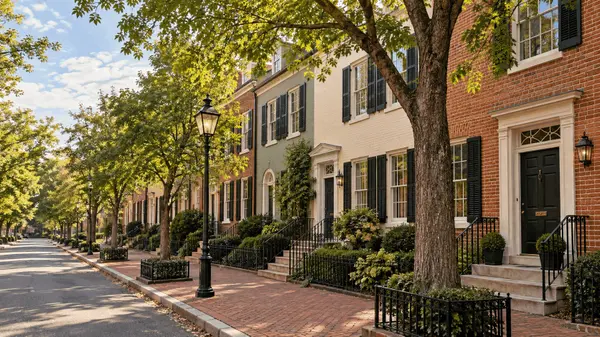
The requirement covers homes with one to four units: detached houses, rowhouses, condos, co-ops and small two- to four-unit buildings. Whether you are selling a rowhouse in Georgetown, a condo in Woodley Park or a detached house in Wesley Heights, plan on completing the form.
When a DC sale doesn't need a disclosure
DC's Residential Real Property Seller Disclosure Act exempts only a short list of transfers:
- Estate and probate sales: when an owner has passed away and the home is sold through the estate.
- Guardianships, conservatorships and trusts: sales by someone managing the property on another person's behalf.
- Foreclosures and other court-ordered sales: including sales by a bankruptcy trustee.
- Transfers within the family: to a spouse, parent, grandparent, child, grandchild or sibling.
- Transfers between co-owners: for example, one owner buying out another.
Every other seller of a one- to four-unit home completes the form, including a seller who never lived in the home. A landlord or investor selling a rental still discloses, even when the tenant living there is the buyer. New construction is a gray area: depending on the property and the contract, a disclosure may or may not be required, so confirm it before you list. If you are not sure which side your sale falls on, confirm it with a real estate attorney before you list.
When does the buyer need to receive it?
Before the buyer signs a contract, and ideally before the buyer writes an offer. I have sellers complete and sign the disclosure while we prepare the home for market, and it goes into the listing documents so buyer agents can review it with their clients ahead of time. When there are several offers, each buyer acknowledges receiving it as part of the offer.
Timing matters. If the disclosure reaches the buyer only after the contract is signed, the buyer has five days to cancel and get the deposit back. That is a risk no seller needs to take. For what happens once a contract is signed, see what happens after a seller accepts an offer in DC, Maryland or Virginia.
What does the form ask about?
The form is a set of yes, no and unknown questions, with room to explain any yes answer. The main areas:
- Roof and attic: age, past leaks, past repairs.
- Heating and air conditioning: what the home has and any known problems. Many older DC homes have been converted from radiators to other systems, and that history belongs on the form.
- Plumbing and electrical: known failures and past repairs.
- Foundation and structure: known cracks, settling or past repairs. If this applies to your home, read selling a house with foundation issues in Washington, DC.
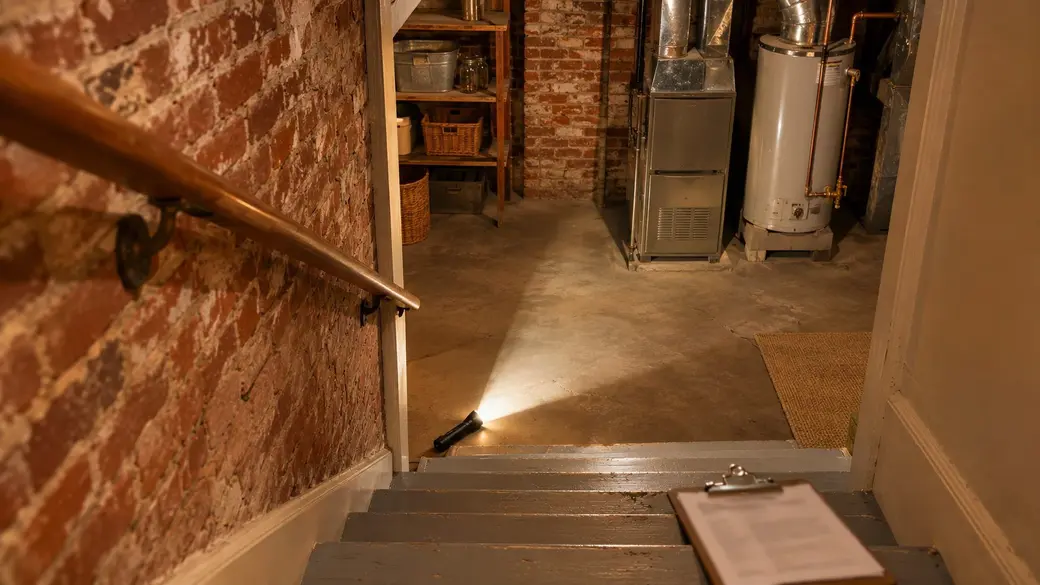
- Water and moisture: basement water, leaks and drainage. Buyers read this section closely.
- Environmental items: mold, radon, asbestos, a buried oil tank, lead paint.
- Permits and zoning: for example, work done without a permit, or a basement apartment rented without the proper certificate of occupancy.
- Historic district status: neighborhoods such as Georgetown, Cleveland Park and Woodley Park have historic review that affects the exterior changes a buyer can make.
- Condo, co-op or HOA matters: fees, special assessments and pending lawsuits.
You are disclosing what you actually know. You are not expected to inspect the home yourself, and "unknown" is the right answer when you truly don't know. Don't guess.
Do I have to disclose a problem I already fixed?
If you know about it, yes. A basement that took on water, a mold cleanup or an old roof leak belongs on the form even if it was repaired years ago. Have the paperwork ready: invoices, permits and any warranties. Buyers respond far better to a documented repair than to a surprise in the inspection report.
Does selling as-is change anything?
No. An as-is sale tells buyers you won't make repairs or give credits, and buyers still get their inspection. It does not remove the disclosure, and it does not protect a seller who leaves out something they knew. If you are weighing that choice, read whether to sell your DC home as-is or renovate first.
Condos, co-ops and HOAs: the resale package is separate
If you own a condo or co-op, or a home in a community with a homeowners association (HOA), the association's resale package is a different document from the disclosure. It has to be ordered from the association and it takes time, so it is best to order it before you list. The association also does its own inspection as part of the package. Ordering early gives you time to correct any violation before the home goes on the market. The association will usually want a reinspection or photos showing the fix.
Homes built before 1978: lead paint
Federal rules add a separate lead-based paint disclosure for any home built before 1978. You give the buyer the EPA's lead safety pamphlet, disclose any lead paint you know about, and share any reports you have. The buyer also gets a chance to test for lead unless they choose to waive it. Much of the housing in Upper Northwest DC was built before 1978, so this applies to many listings.
How DC compares with Maryland and Virginia
DC: a completed disclosure is required on nearly every sale, apart from the narrow exceptions above.
Maryland: the seller chooses between a disclosure and a disclaimer. The disclosure is a statement of what you actually know about the home. The disclaimer means you make no statements about its condition, but you still have to tell the buyer about known hidden defects, the kind a buyer would not spot on a careful look. I recommend that my Maryland sellers in Bethesda and Chevy Chase choose the disclaimer, because it protects the seller. The buyer still gets an inspection and can still ask for repairs.
Virginia: the form is essentially a disclaimer. It is a notice pointing the buyer to the Virginia Real Estate Board's website, and buyers in Arlington, Alexandria and McLean are expected to research the home's condition themselves.
If you have sold in Maryland or Virginia before, expect DC to ask more of you.
What happens if a seller gets it wrong?
If the disclosure arrives late, the buyer can cancel. If a seller leaves out a problem they knew about, the buyer may bring a claim after closing. For anything specific to your situation, talk with a real estate attorney before you sign the form.
How I prepare the disclosure with sellers
We go through the form together during listing preparation, room by room, while the home's history is fresh. I am a licensed interior designer, not an engineer or home inspector, so questions about structure go to one of them. My job is to make sure nothing you know is left off, that the paperwork is ready before buyers see the home, and that the disclosure is in the listing documents on day one. My seller's guide covers the rest of listing preparation, and this post on seller net proceeds shows what you take home at closing.
If you are getting ready to sell in DC, call or text me at 202.536.4043, email sherine@smdg-llc.com, or request a home value review. Sherine is here whenever you're ready.
Frequently asked questions
Do I have to complete a disclosure if I sell my DC home as-is?
Yes. As-is means you won't make repairs or give credits. It does not remove DC's disclosure requirement, and buyers still get their inspection.
When does a DC buyer need to receive the seller's disclosure?
Ideally before writing an offer. If the buyer receives it after signing, the buyer has five days to cancel and get the deposit back.
Do I have to disclose a problem I already fixed?
Yes, if you know about it. Past water, mold or roof problems belong on the form even after a repair. Keep the invoices and permits ready for buyers.
Is there any exception to DC's disclosure requirement?
Yes, a few. Estate and probate sales, guardianship and trust sales, foreclosures and other court-ordered sales, transfers to family members, and transfers between co-owners do not need the disclosure. New construction depends on the property and the contract. Every other seller of a one- to four-unit home should plan on completing it.
How is the Maryland disclosure different from DC's?
Maryland lets the seller choose a disclosure or a disclaimer. With the disclaimer, the seller makes no statements about condition but must still tell the buyer about known hidden defects. DC requires the completed disclosure.
Sources: Code of the District of Columbia, Residential Real Property Seller Disclosures; U.S. EPA, Real Estate Disclosures about Potential Lead Hazards; Virginia Real Estate Board, Residential Property Disclosures. This post is general information, not legal advice.
About Sherine Monir
Sherine Monir is a Realtor with Compass and also a licensed Interior Designer in DC (NCIDQ, CID, ASID), with a master's degree in interior design from Marymount University. Licensed in DC, Maryland and Virginia since 2013, she has sold over 200 homes totaling more than $115 million and is ranked in the top 5% of DC Metro agents. She was named to RealTrends America's Best 2026 (top 1.5% nationally), is a Washingtonian Elite Producer and Bethesda Magazine Top Producer, and is a DC Real Estate Awards honoree. She represents sellers and buyers across Upper Northwest DC, Bethesda, Chevy Chase, Arlington, Alexandria and McLean. Compass, 1313 14th Street NW, Washington DC 20005. Office 202.386.6330.
Recent Posts